Belgium’s energy system is shaped by a basic tension: the country has a large industrial economy but very limited domestic fossil fuel resources. Unlike major oil and gas producers, Belgium does not power itself from large reserves under its own territory. Instead, it depends on nuclear power, imported oil and natural gas, port infrastructure, electricity interconnections and a growing renewable energy sector. That makes Belgium’s energy story different from many European countries. It is not mainly about production in the ground. It is about how a small, dense, highly industrialized country manages supply security, electricity prices, climate policy and heavy energy demand at the same time.
Belgium’s Energy Story Starts With Imports, Industry and Nuclear Power
Belgium sits at the center of Western Europe, between France, the Netherlands, Germany, Luxembourg and the North Sea. This geography gives the country strong access to regional energy markets, but it also means Belgium is deeply connected to what happens beyond its borders. Oil arrives through ports and pipelines. Natural gas moves through a dense transmission network. Electricity is traded across interconnectors. Offshore wind comes from the Belgian North Sea.
The country’s industrial base is one reason energy matters so much. Belgium is home to major chemical, refining, logistics, steel, pharmaceutical and manufacturing activity. Antwerp is especially important because it links oil refining, petrochemicals, storage, shipping and future hydrogen plans in one industrial cluster. Energy is not just a household or electricity issue in Belgium. It is part of the country’s role as a European trade and industrial hub.
Electricity is where Belgium’s energy debate is most visible. Nuclear power has long supplied a major share of Belgian electricity, while natural gas plants help balance the grid. Wind and solar are growing quickly, but Belgium still faces the hard question of how to expand clean electricity without weakening reliability or increasing dependence on imported gas.
Coal in Belgium: A Former Industrial Fuel With Almost No Power Role Today
Coal once played a much larger role in Belgium’s economy. It supported mining regions, heavy industry and older power generation. Today, Belgium is one of Europe’s clearest examples of a country that has moved away from coal-fired electricity.
Belgium’s last coal-fired power plant, Genk-Langerlo in Limburg, closed in 2016. Since then, coal has no longer been a normal part of Belgian electricity generation. This makes Belgium very different from countries such as Poland, Germany or South Africa, where coal still plays a large role in power supply.
That does not mean coal has disappeared from Belgium’s energy story completely. Some coal-related demand can remain in industrial processes, imported materials, steel-related supply chains or energy statistics that include solid fossil fuels. But coal is no longer the backbone of the power grid. Belgium now relies much more on nuclear power, natural gas, electricity imports and renewable generation.
The coal story in Belgium is therefore a legacy story. It helps explain the country’s industrial past, but it does not define the future of Belgian electricity. For modern Belgium, the more important fossil fuel question is not coal. It is how long natural gas and oil products remain central to electricity backup, transport, industry and petrochemicals.
Natural Gas in Belgium: Backup Power, Industrial Fuel and Regional Infrastructure
Natural gas is one of Belgium’s most important energy sources because it supports electricity generation, industry and heating. Gas-fired plants are flexible, meaning they can increase or reduce output faster than many other power sources. This matters in a grid with more solar and wind power, because renewable generation changes with weather and time of day.
Belgium does not have large domestic gas production, so gas security depends on imports, market access, storage and infrastructure. The country’s gas network is operated by Fluxys Belgium, which describes its system as a highly interconnected network linked to all adjacent markets. The network includes thousands of kilometers of pipelines, connections with neighboring countries, industrial sites, distribution operators, gas-fired power stations and LNG infrastructure.
Zeebrugge is especially important. The Zeebrugge LNG terminal allows liquefied natural gas to be unloaded, stored, regasified and moved into the transmission system. It also supports transshipment and smaller-scale LNG uses for shipping, trucks and industrial customers. This gives Belgium a role beyond its own consumption: it is part of the wider Northwest European gas system.
Natural gas has become more politically sensitive since Russia’s invasion of Ukraine disrupted European energy markets. For Belgium, gas is useful because it can support supply security and grid flexibility. But it also creates exposure to imported fuel prices and international supply risk. That is why Belgium’s gas strategy is linked to nuclear life extensions, offshore wind, storage, demand response and stronger electricity interconnection.
Oil in Belgium: Antwerp, Refineries and Transport Fuels
Oil is not central to Belgium’s electricity system, but it is central to transport, refining, shipping, petrochemicals and industrial trade. Belgium imports crude oil and oil products, then uses its port and refining system to serve domestic demand and wider European markets.
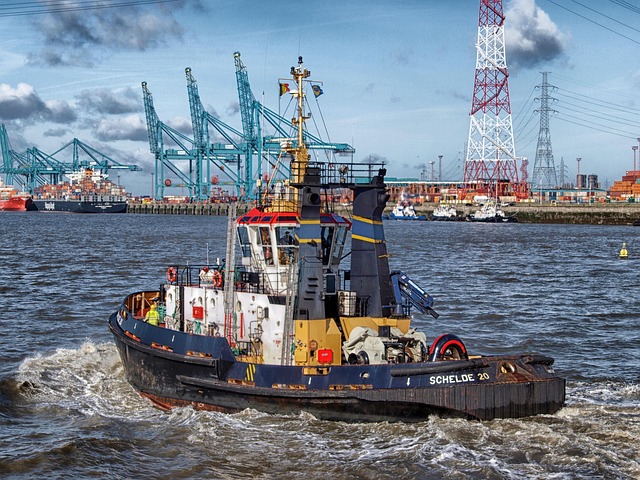
The Port of Antwerp is the heart of Belgium’s oil infrastructure. It is the country’s main sea terminal for crude oil and oil products, a major refueling site for international shipping, and home to much of Belgium’s refining and chemical capacity. The port also contains an extensive pipeline network used for oil products and industrial flows.
Belgium’s refining sector is unusually important for a country of its size. Refineries near Antwerp process imported crude into fuels and feedstocks used in transport, industry, aviation, shipping and chemicals. This makes Belgium both energy dependent and energy strategic: it imports crude oil, but its refining and petrochemical system gives it an important position in European fuel and chemical supply chains.
Oil demand in Belgium is also tied to everyday mobility. Cars, trucks, buses, aviation and shipping still depend heavily on petroleum products. Electric vehicles are growing, and Belgium is part of the wider European move toward transport electrification, but oil will remain important for freight, aviation, marine fuel and petrochemical feedstocks for years.
Electricity Infrastructure in Belgium: A Small Grid With Big Cross-Border Importance
Belgium’s electricity infrastructure is one of the most important parts of its energy system. The country is small, densely populated and highly connected to neighboring power markets. That makes grid planning especially important. Belgium cannot think about power supply only inside its own borders. It must also think about imports, exports, congestion, reserve capacity and regional electricity prices.
Elia operates Belgium’s high-voltage electricity grid. Its role includes balancing supply and demand, managing imports and exports, connecting generation assets and preparing the system for more renewable power. Belgium’s central location gives it value as an electricity trading country, especially with France, the Netherlands, Germany, Luxembourg and the United Kingdom.
Interconnection is useful because it allows Belgium to import electricity when domestic supply is tight and export when production is strong. It also helps balance variable renewables. However, interconnection is not a full substitute for domestic capacity. Belgium still needs enough local generation, storage and flexible demand to handle peak periods and unexpected outages.
Belgium’s electricity system is moving from a more centralized model, built around nuclear and gas plants, toward a more mixed model with offshore wind, rooftop solar, utility solar, batteries, demand response and regional power flows. That creates new grid needs. More solar can create surplus production during bright hours. More offshore wind requires stronger connections from the coast to demand centers. More electric vehicles and heat pumps can increase demand if adoption rises quickly.
Nuclear Energy in Belgium: From Phaseout to Revival
Nuclear power is the most important single issue in Belgium’s electricity debate. For decades, nuclear reactors at Doel and Tihange supplied a large share of the country’s electricity. Belgium passed a nuclear phaseout law in 2003, but the policy has changed several times as energy security, price concerns and climate goals became more urgent.
Belgium has already shut several older reactors, but the future of nuclear power has shifted. Doel 4 and Tihange 3 received life-extension support, and Belgium’s parliament later reversed the full phaseout direction by allowing new nuclear capacity and longer operation of key reactors. This marked a major change in Belgian energy policy.
The nuclear debate is not only about climate. It is also about reliability. If Belgium closes too much nuclear capacity too quickly, it may need more gas-fired generation or more imports to fill the gap. That could raise emissions, increase fuel dependence and make the country more exposed to regional power market stress. Keeping nuclear capacity available can reduce the need for fossil backup, but it also involves difficult questions about cost, waste, ownership, safety regulation and long-term investment.
Belgium’s nuclear future is still not simple. Extending reactors requires technical work, financing and political agreement. Building new nuclear capacity would take many years. But the direction has changed. Belgium is no longer only planning an exit from nuclear power. It is now treating nuclear energy as part of long-term supply security.
Renewable Energy in Belgium: Offshore Wind Leads, Solar Grows Fast
Renewable energy in Belgium is strongest where the country’s geography allows it to be strongest. Belgium does not have large hydropower potential like Norway or Switzerland. Its rivers are not the main energy story. The real renewable story is offshore wind in the North Sea, solar power on rooftops and land, onshore wind where planning allows, and bioenergy in selected uses.
Offshore wind is Belgium’s most strategic renewable resource. The Belgian North Sea is small, but it has become highly important for clean power. Existing offshore wind farms already supply a meaningful share of electricity, and Belgium plans to expand capacity through the Princess Elisabeth Zone. The Princess Elisabeth Energy Island is designed to collect power from new offshore wind farms and support future interconnections with other North Sea countries.
Solar power is also growing quickly. Rooftop solar is important because Belgium has dense urban areas, commercial buildings, warehouses and industrial roofs. Solar generation is strongest during daylight hours, which helps reduce fuel use but also creates grid balancing challenges. When solar output is high and demand is moderate, the grid needs flexibility from storage, exports, demand response or lower conventional generation.
Onshore wind has a role, but land use, local permitting and population density make expansion more difficult than in larger or less crowded countries. Bioenergy and waste-to-energy also appear in Belgium’s renewable mix, but they are not likely to transform the system in the same way as wind, solar and storage.
The Geographic Factor: A North Sea Country With Dense Industry
Belgium’s geography gives the country both advantages and limits. Its North Sea coast is short, but valuable. Offshore wind, ports, LNG access, shipping fuel, interconnectors and future hydrogen imports all depend on coastal infrastructure. Zeebrugge and Antwerp-Bruges make Belgium more important to European energy flows than its size alone would suggest.
The country’s density also matters. Belgium has major cities, ports, industrial zones and transport corridors packed into a small territory. This creates high energy demand but limited room for large energy projects. Building transmission lines, onshore wind farms, storage sites and industrial decarbonization projects can be harder when land is scarce and local opposition is strong.
Belgium’s political geography adds another layer. Energy policy is divided between federal and regional authorities. Nuclear policy sits at the federal level, while many renewable energy, building, transport and efficiency policies involve regional governments. This can make policy coordination difficult. A strong Belgian energy transition needs federal nuclear and offshore policy, regional renewable and building policy, industrial strategy, port planning and grid investment to move in the same direction.
Energy Security in Belgium: Less About Domestic Resources, More About Connections
Belgium’s energy security is not based on owning large fossil fuel reserves. It is based on access, infrastructure and flexibility. The country needs reliable fuel imports, strong ports, a resilient electricity grid, nuclear availability, gas infrastructure, cross-border power trade and enough renewable generation to reduce exposure to imported fuels.
Oil security depends heavily on Antwerp’s refining and storage system. Gas security depends on Fluxys infrastructure, LNG access, storage and interconnections with neighboring markets. Electricity security depends on the balance between nuclear output, gas-fired capacity, imports, offshore wind, solar generation and grid flexibility.
Belgium’s position inside the European energy system is an advantage. It can trade electricity and gas with neighbors, use regional markets and benefit from shared infrastructure. But this also means Belgium is exposed to problems elsewhere. A French nuclear outage, a gas supply shock, an LNG disruption, a regional cold spell or low wind output across Northwest Europe can all affect Belgian energy prices and supply planning.
For Belgium, energy security means not relying too heavily on any single answer. Nuclear power improves stability. Gas improves flexibility. Offshore wind improves domestic clean generation. Interconnectors improve market access. Ports and LNG improve fuel options. The challenge is to make these pieces work together.
Energy Policy in Belgium: Balancing Reliability, Prices and Climate Goals
Belgian energy policy has to balance several goals at once. The country wants lower emissions, reliable electricity, competitive industrial energy costs and less exposure to imported fossil fuels. These goals can support each other, but they can also conflict.
The nuclear debate shows the problem clearly. Closing reactors could support an older political goal, but it could also increase gas dependence if renewables and storage are not ready fast enough. Extending reactors can support reliability and emissions goals, but it creates questions about public financing, waste, safety and market design.
Industrial policy is another major issue. Belgium’s chemical and refining sectors face pressure from high European energy prices, carbon rules and global competition. If energy costs rise too much, industrial activity can move elsewhere. If climate policy is too weak, Belgium risks locking in old fossil infrastructure. The transition therefore has to protect both competitiveness and emissions goals.
Ports will be central to the next stage. Antwerp-Bruges is already tied to oil, chemicals and gas. In the future, it may also become a major hub for hydrogen, ammonia, methanol, carbon capture and low-carbon industrial feedstocks. That means Belgium’s energy policy is not only about electricity. It is also about what replaces fossil molecules in heavy industry.
The Main Energy Challenges Facing Belgium
Belgium’s first challenge is managing nuclear uncertainty. The country has moved away from a simple nuclear phaseout, but reactor extensions, ownership questions and possible new nuclear projects still require long-term decisions.
The second challenge is reducing fossil fuel import dependence without creating reliability problems. Belgium has already left coal-fired power behind, but oil and gas remain important. Replacing them requires clean electricity, electrified transport, heat pumps, industrial efficiency, renewable fuels and stronger grids.
The third challenge is grid flexibility. More solar and wind power can lower emissions, but they also change how the electricity system operates. Belgium needs more storage, demand response, interconnection, digital grid management and market rules that reward flexibility.
The fourth challenge is industrial decarbonization. Refineries, chemicals, shipping, logistics and heavy manufacturing are harder to decarbonize than normal household electricity use. These sectors may need hydrogen, carbon capture, electrification, biomass, circular materials and new production processes.
The fifth challenge is coordination. Belgium’s federal structure can slow decisions when energy policy crosses nuclear, regional renewables, transport, buildings, industry and infrastructure. A successful energy transition will need steady planning across all levels of government.
The Future of Energy in Belgium
Belgium’s energy future will depend on whether it can combine nuclear stability, offshore wind growth, gas flexibility, stronger grids and industrial transition into one working system. The country has already moved beyond coal in electricity, but it still depends on imported oil and gas. It also has to protect a major industrial economy while reducing emissions.
The most likely future is not a simple shift from fossil fuels to renewables. Belgium will need a mixed system. Nuclear power may remain important for stable low-carbon electricity. Offshore wind and solar will keep growing. Gas plants may stay available for backup. Antwerp and Zeebrugge will become even more important as energy import and industrial transition hubs.
Belgium’s central energy question is whether it can remain an industrial country while using less imported fossil fuel. The answer will depend on ports, reactors, wind farms, grids, storage, interconnections and policy discipline.