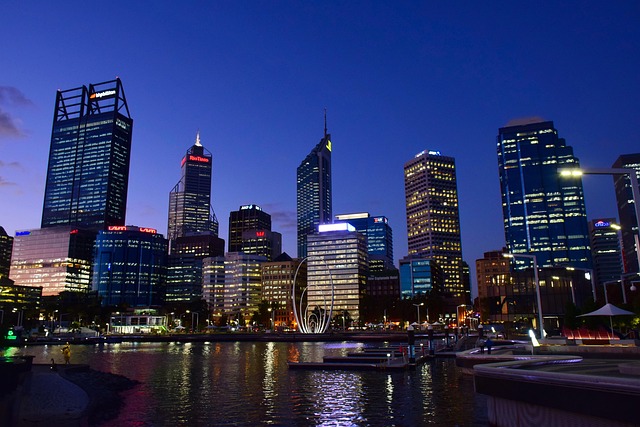
Australia’s energy system is defined by a sharp contrast. The country is one of the world’s major exporters of coal, natural gas and uranium, but its domestic electricity system is moving quickly toward solar, wind, batteries and new transmission. That makes Australia different from many energy-rich countries. It is not only trying to supply power at home; it is also trying to protect a large export economy while global energy markets change. Coal, oil, natural gas, renewable energy, nuclear policy and grid infrastructure all sit inside that larger story.
Australia’s Energy Story Starts With Exports
Australia’s energy profile cannot be understood only by looking at domestic electricity use. The country produces far more energy than it consumes, and a large share of that production is sold overseas. Coal and liquefied natural gas are especially important to Australia’s trade balance, state economies, port infrastructure and mining regions.
This export role shapes the politics of the energy transition. Domestically, Australia is adding renewable power quickly, especially solar. Internationally, it still earns major revenue from fossil fuel exports. That creates a long-term challenge: Australia must modernize its own grid while also preparing for possible changes in demand from major Asian energy customers.
The country’s energy map is also regional. Queensland and New South Wales are central to black coal. Western Australia is central to LNG and mining energy use. South Australia has become a major renewables state. Tasmania relies heavily on hydropower. The Northern Territory and many remote communities face different questions around diesel, gas, solar and storage.
Coal in Australia: Export Strength and Domestic Decline
Coal remains one of Australia’s most important energy resources. It matters in two different ways: as an export commodity and as a domestic electricity fuel. Black coal from Queensland and New South Wales supports major export industries, including thermal coal for power generation and metallurgical coal for steelmaking. Ports, rail lines, mines and regional workforces are all connected to this coal economy.
Inside Australia, however, coal’s role in electricity is shrinking. Coal-fired power once dominated the national grid, especially in the eastern states. It still supplies a large share of electricity, but older coal plants are under pressure from age, emissions policy, maintenance costs and competition from solar and wind. The decline is not instant, because coal plants still provide large volumes of power. But the direction is clear: Australia’s domestic electricity future is less coal-heavy than its past.
This creates a difficult transition. Coal regions are not only energy sites; they are communities with jobs, local government revenue and industrial identity. A serious Australia energy profile needs to explain both sides: coal is declining in the power mix, but it remains deeply important to exports, heavy industry and regional economies.
Natural Gas in Australia: LNG Exports, Industry and Grid Backup
Natural gas is another major part of Australia’s energy system. Like coal, gas has both a domestic and export role. Australia is a major LNG exporter, with large projects in Western Australia, Queensland and the Northern Territory. LNG links Australia to energy buyers across Asia, especially countries that use gas for electricity, heating and industry.
At home, gas is used for electricity generation, industrial heat, mining, manufacturing and household use in some states. In the power system, gas is often described as a flexible fuel because gas-fired plants can help support the grid when solar and wind output is lower. That role becomes more important as coal plants retire and variable renewable energy grows.
But gas is not a simple answer to Australia’s energy problems. Domestic supply, export contracts, price volatility and emissions policy all create tension. Some regions worry about gas shortages or high prices, while producers focus on long-term export markets. Australia’s gas story is therefore about more than reserves. It is about pipelines, LNG terminals, state policy, export demand and how much gas the country wants to keep in the electricity system over the long term.
Oil in Australia: Transport Fuel and Import Risk
Oil plays a smaller role in Australian electricity generation, but it remains essential to transport, mining, farming, aviation, shipping and defense. Australia is a large country with long freight routes, remote communities and heavy dependence on road transport. Diesel, petrol and jet fuel are therefore central to daily economic life.
Australia produces some crude oil and condensate, but it relies heavily on imported crude and refined petroleum products. This creates a different type of energy security issue from coal or gas. The question is not whether Australia has energy resources in general. The question is whether it has enough liquid fuel supply, storage, refining capacity and import resilience during global disruptions.
The country now has limited domestic refining capacity compared with past decades. That makes fuel security a major policy issue. Domestic refineries, fuel stockholding rules, port access and international supply chains all matter because oil products keep trucks, mines, farms, airports and military operations moving.
Electric vehicles may reduce some petrol demand over time, especially in cities and suburbs. But diesel for freight, mining and agriculture will be harder to replace quickly. For Australia, oil is less about power stations and more about movement, logistics and national resilience.
Electricity Infrastructure in Australia: The Grid Is the Main Transition Challenge
Australia’s electricity infrastructure is one of the most important parts of its energy transition. The country has strong renewable resources, but resources do not become reliable electricity without transmission lines, distribution networks, storage, system control and market design.
The National Electricity Market, often called the NEM, connects the eastern and southern states. It covers Queensland, New South Wales, the Australian Capital Territory, Victoria, South Australia and Tasmania. Western Australia and the Northern Territory have separate systems, which means Australia does not operate as one simple national grid.
This matters because renewable energy projects are often located far from existing coal plants and demand centers. New wind and solar farms need transmission access. Large batteries, pumped hydro and other storage projects need market signals and grid connections. Rooftop solar also changes the system from the bottom up because households and businesses now generate a large amount of electricity themselves.
Grid reliability is not just about building more generation. Australia also needs stronger transmission corridors, better coordination between states, more flexible demand, more storage and better use of distributed energy resources. The country’s electricity future depends on how quickly infrastructure can catch up with renewable growth.
Nuclear Energy in Australia: Uranium Exports Without Nuclear Power
Australia has a major uranium industry, but it does not use nuclear power for electricity. This is one of the most distinctive features of the country’s energy profile. Australia exports uranium under safeguards for peaceful use overseas, while domestic nuclear electricity remains restricted by law and politically debated.
The country does have nuclear science infrastructure. The OPAL research reactor at Lucas Heights supports nuclear medicine, materials research and radioisotope production. But this is not the same as a commercial nuclear power program. Australia has no operating nuclear power plants supplying electricity to the grid.
The nuclear debate usually focuses on cost, timing, safety, waste, public acceptance and whether nuclear power could replace retiring coal plants. Supporters argue that nuclear energy could provide reliable low-carbon power. Critics argue that Australia has better near-term options in solar, wind, storage, transmission and demand management.
For an Australia energy page, the key point is balance: nuclear is relevant because of uranium, research capability and public debate, but it is not currently part of Australia’s electricity generation mix.
Renewable Energy in Australia: Solar Leads, Wind Grows and Hydro Holds a Regional Role
Renewable energy is the fastest-changing part of Australia’s domestic energy system. Solar is the leading story. Australia has excellent solar resources, large suburban rooftop space and high household adoption. Rooftop solar has become so important that homes and small businesses now act like a major distributed power source.
Large-scale solar is also expanding, especially in sunny inland and regional areas. Wind power is important in states such as South Australia, Victoria, New South Wales and Tasmania. Offshore wind is still developing, but it may become more important near industrial regions and coastal demand centers.
Hydropower has a longer history, especially in Tasmania and the Snowy Mountains. Hydro can provide firming and storage value, but it depends on rainfall, geography and environmental limits. Pumped hydro is also important because it can store energy and release it when the grid needs support.
The renewable challenge in Australia is not a lack of resources. The challenge is connection, timing and reliability. Solar produces strongly during the day, while demand often peaks later. Wind varies by weather and region. Batteries, pumped hydro, gas backup, transmission and demand response all help turn renewable potential into a stable power system.
Geography Shapes Every Part of Australia’s Energy System
Australia’s geography makes its energy system unusual. The country is large, dry and widely spread out, with major cities around the coast and huge distances between population centers, mines, ports and renewable energy zones. This creates both advantages and problems.
The advantage is resource diversity. Australia has strong solar radiation, good wind regions, major coal and gas reserves, uranium deposits, critical minerals and large areas suitable for energy projects. Few countries have so many different energy resources.
The problem is distance. Building transmission across large areas is expensive and slow. Remote communities may depend on diesel or small isolated grids. Mining sites often need their own energy solutions. Northern Australia faces heat, storms and long supply chains. Inland renewable projects may need new roads, substations and community agreements before they can serve large cities.
Geography also affects energy culture. Australians are used to rooftop solar in suburbs, mining towns built around resource projects, and political debates over land use, transmission lines and local benefits. The energy transition is not only technical. It is also regional.
Critical Minerals and the Next Export Question
Australia’s future energy role may depend on whether it can move beyond exporting fossil fuels and raw materials. The country has major deposits of minerals needed for batteries, electric vehicles, power electronics and renewable energy systems. Lithium, nickel, cobalt, rare earths, copper and other minerals connect Australia to the global clean energy supply chain.
This gives Australia a major opportunity. Instead of only exporting coal and LNG, the country can export the materials and possibly the processed products needed for cleaner technologies. But this is not automatic. Mining is only one part of the value chain. Processing, refining, battery manufacturing, skilled labor, low-cost clean power and stable investment rules all matter.
Critical minerals also bring environmental and community questions. New mines and processing plants require water, land access, energy, transport and local support. If Australia wants to become a clean energy export power, it will need to connect mining policy with renewable electricity, industrial planning and regional development.
Energy Security in Australia: More Than One Risk
Australia’s energy security risks are mixed. For electricity, the main risk is whether the grid can replace aging coal plants fast enough with reliable combinations of renewables, storage, transmission and backup capacity. For gas, the risk is balancing export commitments with domestic supply and price stability. For oil, the risk is import dependence and limited refining capacity.
There is also a climate risk. Heatwaves, droughts, bushfires, storms and floods can affect energy demand and infrastructure. Hot weather increases cooling demand. Drought can affect hydropower. Fires and storms can damage transmission and distribution networks. Floods can disrupt mines, roads, rail and fuel supply chains.
The strongest energy system for Australia will not be built around one fuel. It will need diversity, storage, flexible demand, regional planning and stronger infrastructure. Energy security in Australia means keeping the lights on, keeping fuel moving, keeping industry competitive and making sure remote regions are not left behind.
Australia’s Main Energy Challenges
Australia faces five major energy challenges.
First, coal plants are aging and retiring, but they still supply a large share of electricity. Replacing them requires more than building solar farms. It requires storage, transmission, firming capacity and market reform.
Second, transmission is a bottleneck. Many of the best renewable energy zones are not located beside existing high-capacity grid infrastructure. New lines can face delays, cost pressure and local opposition.
Third, gas remains contested. It can support reliability, but it also raises questions about prices, emissions and how much new supply should be developed.
Fourth, liquid fuel security is a national vulnerability. Australia’s economy depends on diesel, petrol and jet fuel, while import exposure and limited refining capacity make the system sensitive to international disruption.
Fifth, the clean energy export story is still developing. Australia has the minerals, land and renewable resources to play a large role in global decarbonization, but it must build more processing capacity and industrial infrastructure to capture more value at home.
The Future of Energy in Australia
Australia’s energy future will be defined by whether it can manage two transitions at once. At home, the country is moving from coal-heavy electricity toward renewables, storage, transmission and flexible backup. Abroad, it must decide how to protect export income as global demand changes for coal, gas, uranium, hydrogen and critical minerals.
The central question is not whether Australia has enough energy resources. It clearly does. The question is whether it can connect those resources to modern infrastructure, reliable markets and long-term industrial strategy. Australia’s energy future will depend on turning natural advantage into a system that is cleaner, stronger and more useful to its economy.